A content operation built for one person
How I covered a full content team's range at Theoriq with AI, and kept people in charge of what mattered.
A full team's range of content, one content person, and a financial product's standard for every figure.
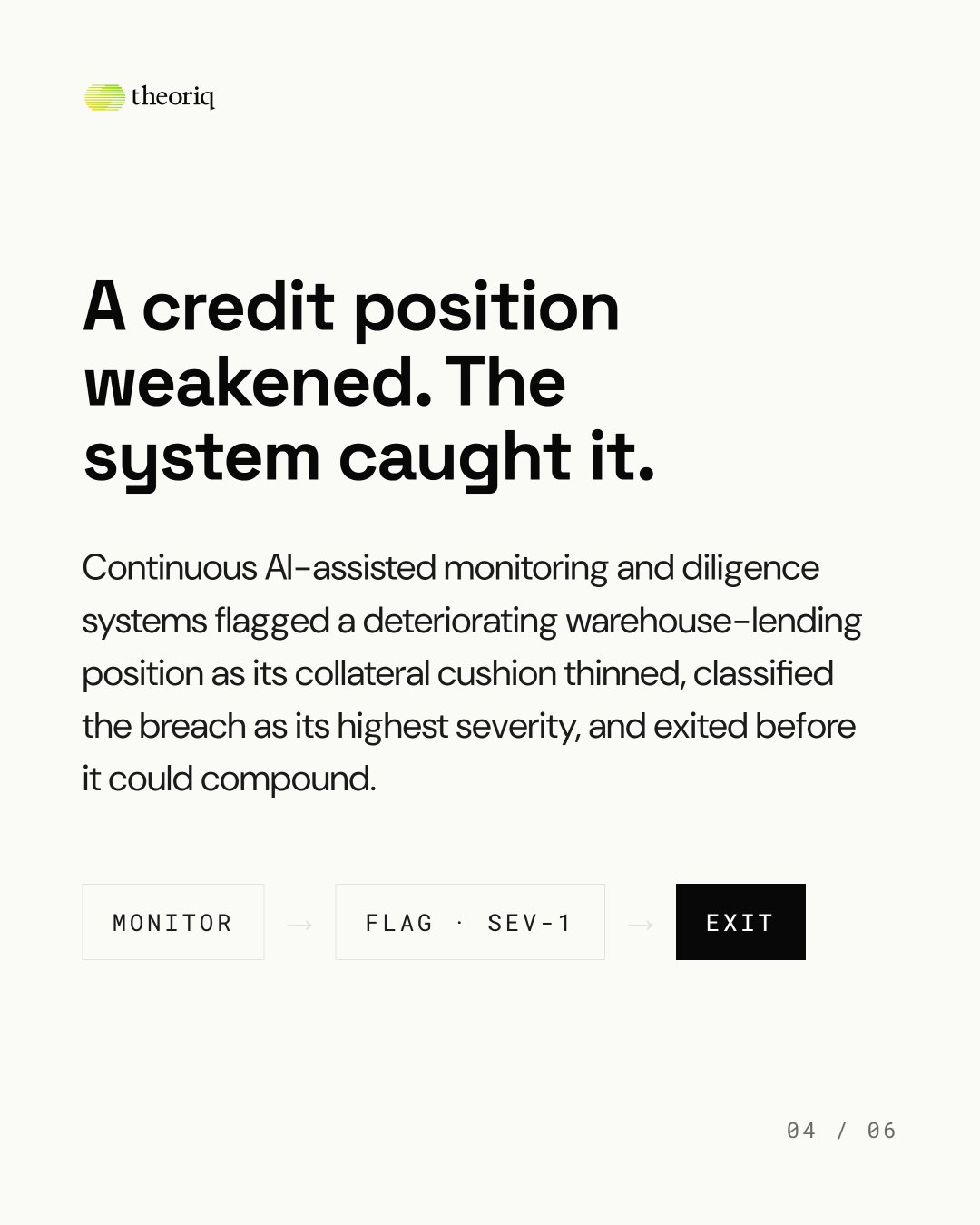
A daily research agent, a drafting setup with the brand rules built in, and code that renders finished assets.
Every figure from the product lead. Written partner approval. Compliance sign-off. Nothing posted automatically.
#1 in share of industry conversation among pre-launch peers, and a diligence package 7 institutional allocators used.
The problem
Theoriq needed a full content team's output: blog, social, email, docs, decks, quarterly reports, a diligence data room and crisis comms. It had one content person. And it carried a financial product's standards: every figure right, every partner approved in writing, everything external cleared by compliance. More with less could not mean checking less.
How the system works
Steps a person owns
The research agent
A Claude Code plugin ran every day over social and web search and came back with ranked post ideas and draft replies, each linked to the exact conversation. Its rules: nothing older than three days, skip anything it cannot verify, post nothing on its own. I picked, rewrote or dropped every item.
The production pipeline
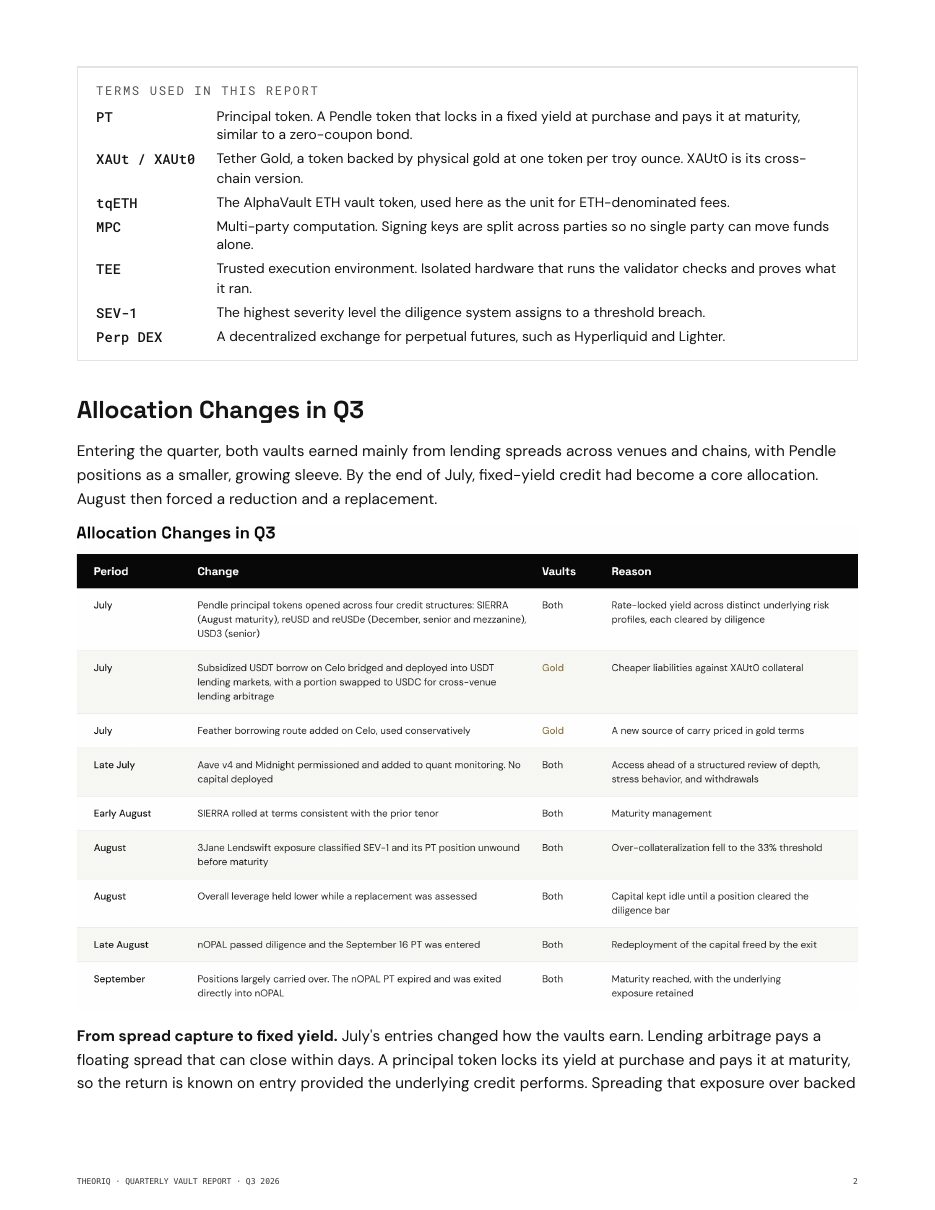
Copy was drafted in a Claude project that held the brand canon down to hyphenation. Briefs for AI design tools locked every word and figure, so only the layout was open. Approved copy was rendered by code: social graphics from templates, decks as editable files, documents in the house format, every page checked before delivery. A deck that needed new figures was rebuilt cleanly, not patched by hand.
The human gates
No unverified statistic in external copy. Figures only from the product lead, never from a draft. No partner named without written approval. And we called the systems AI-assisted, never autonomous, because that is what they were.
Deciding what to publish
After a leadership change and a full repositioning, I wrote the content operating model for what came next. Its premise fit in one line.
Theoriq is not discovered. It is investigated.
A custodian, a lender or an investor spends twenty minutes looking and forms a judgment from two things: the record (listings, bios, what AI models say) and the reputation (what credible third parties say on their own). So the plan split into three workstreams: fix the record, publish work useful to people who do not care about us yet, and earn coverage without paying for it.
It cut volume from 50 posts a month to 5 to 7 a week with hard gates. Its scorecard put record accuracy first and reach last, never a target. It refused to claim deposits or investor conversion, because content cannot own them. It ruled out manufactured coverage. And it set two goals that could fail. It was a draft pending CEO review when I left.
Fixing the record
One goal: within 90 days, 3 of 5 major AI models describe the company the way it now describes itself. I rewrote the bio and descriptions, audited every listing, and corrected outdated positioning in partner, event and vendor copy before it went out.
Tested in fresh sessions with one prompt: Grok, Claude and Perplexity describe the company correctly. ChatGPT gets it partly right. Gemini still leans on older material. Goal met.
Results
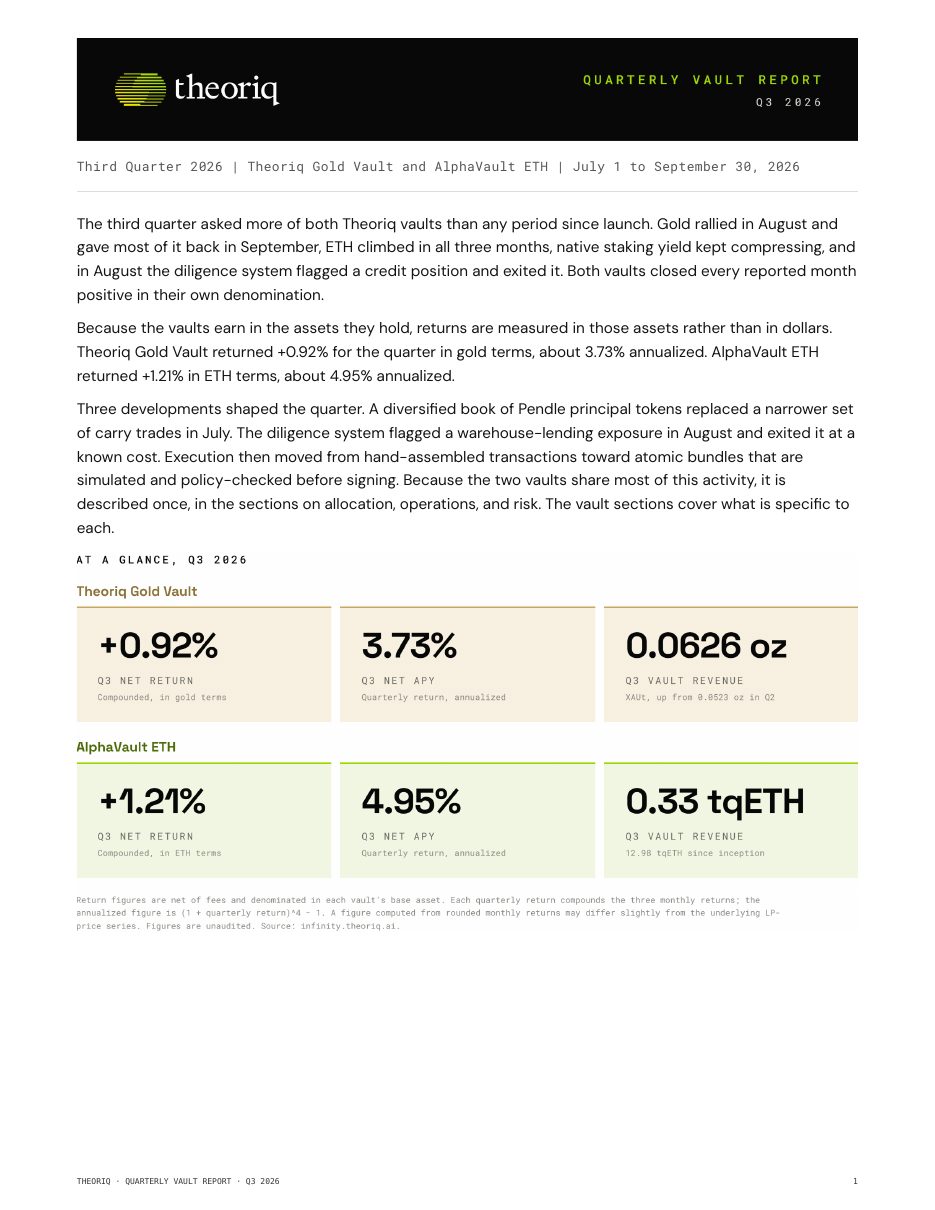
One person covered daily social for 299K followers, launch packages for two flagship products, partner announcements, the quarterly reports and an institutional diligence package. Theoriq reached #1 in share of industry conversation among pre-launch peers on Kaito's leaderboard and held it through launch. Seven institutional allocators used the diligence package in their reviews. At exit, the website, design system and report assets were handed off documented, so the team keeps producing without me.
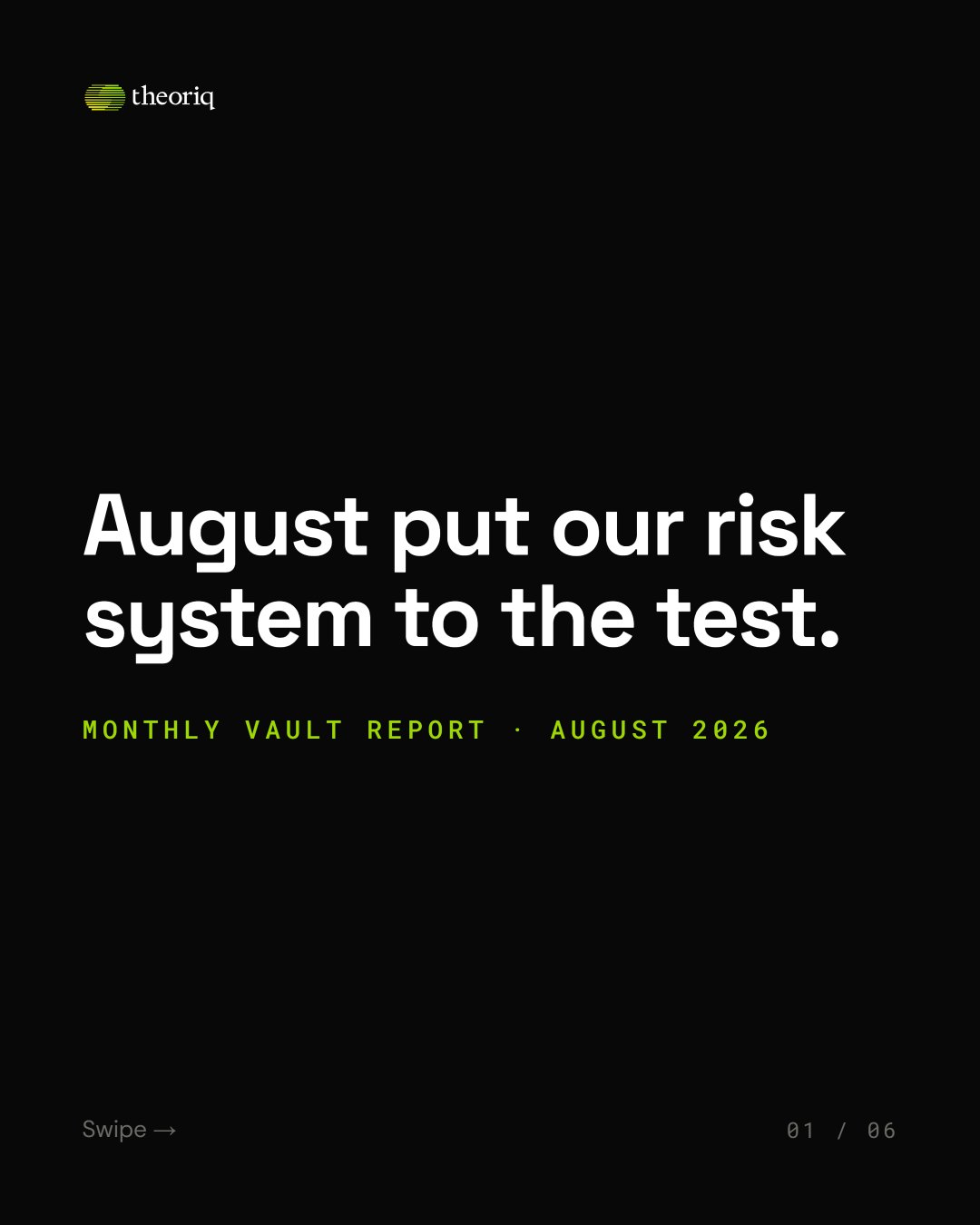
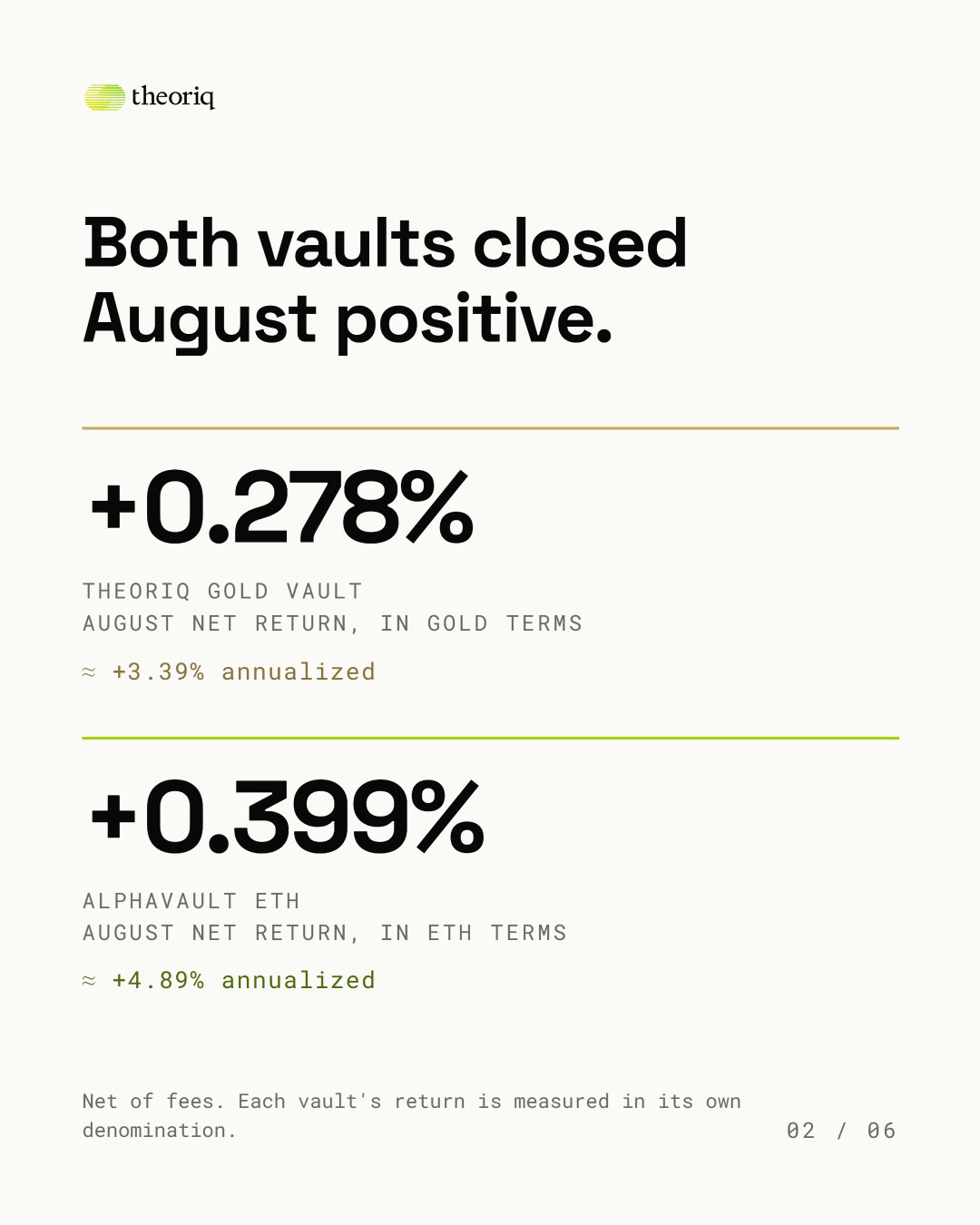
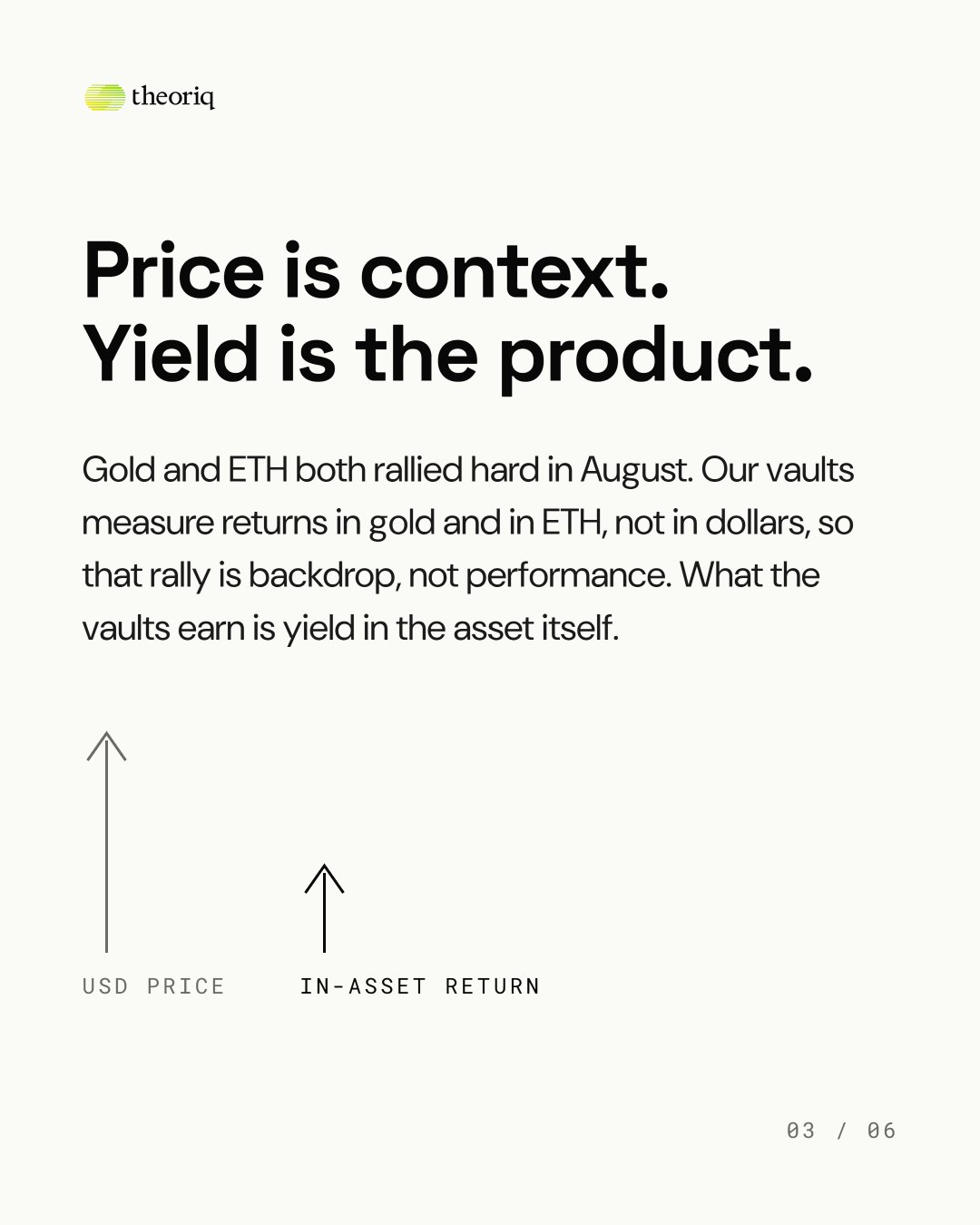
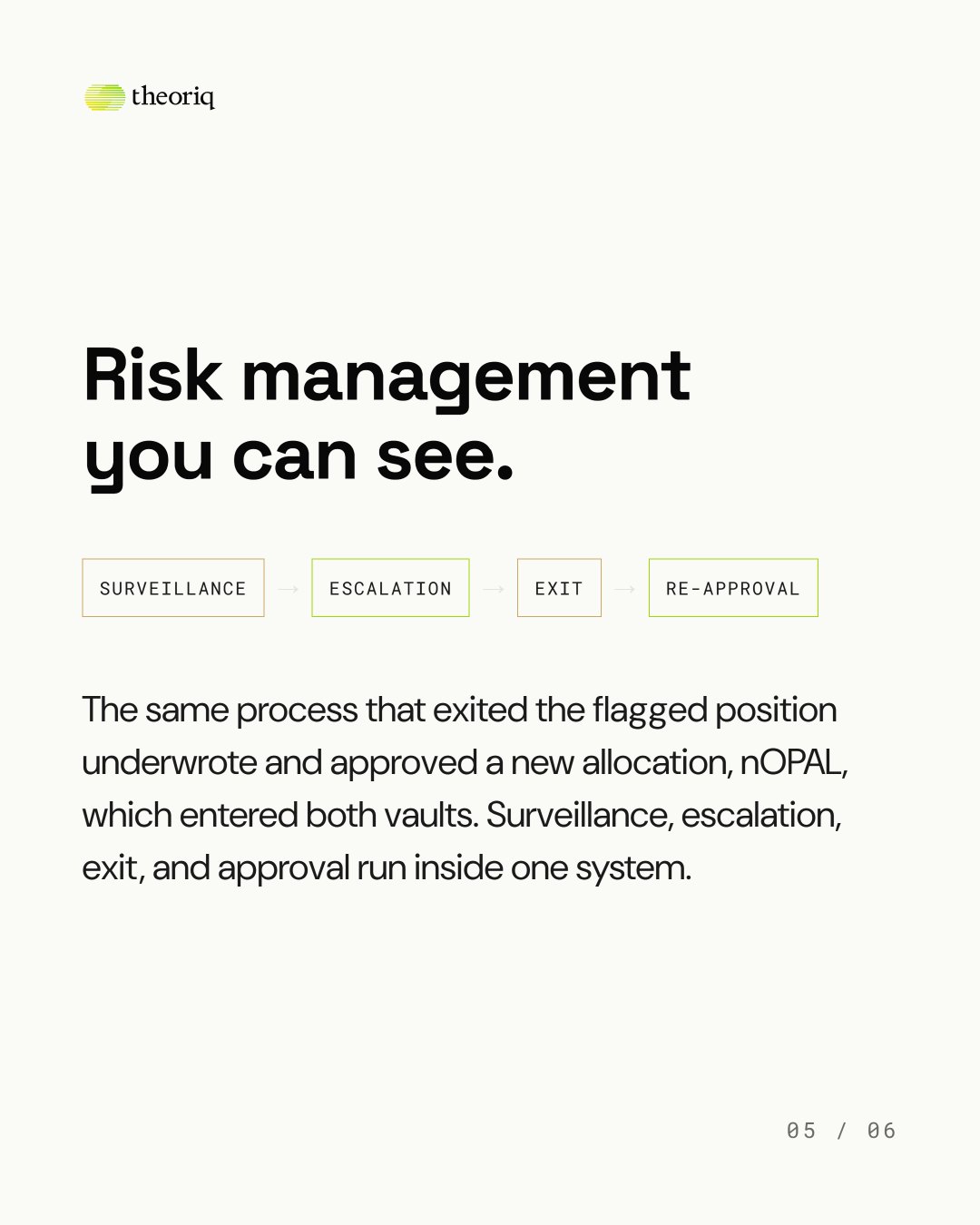
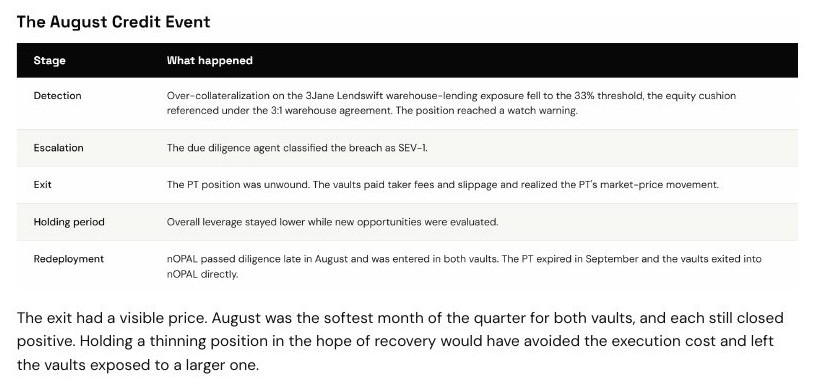
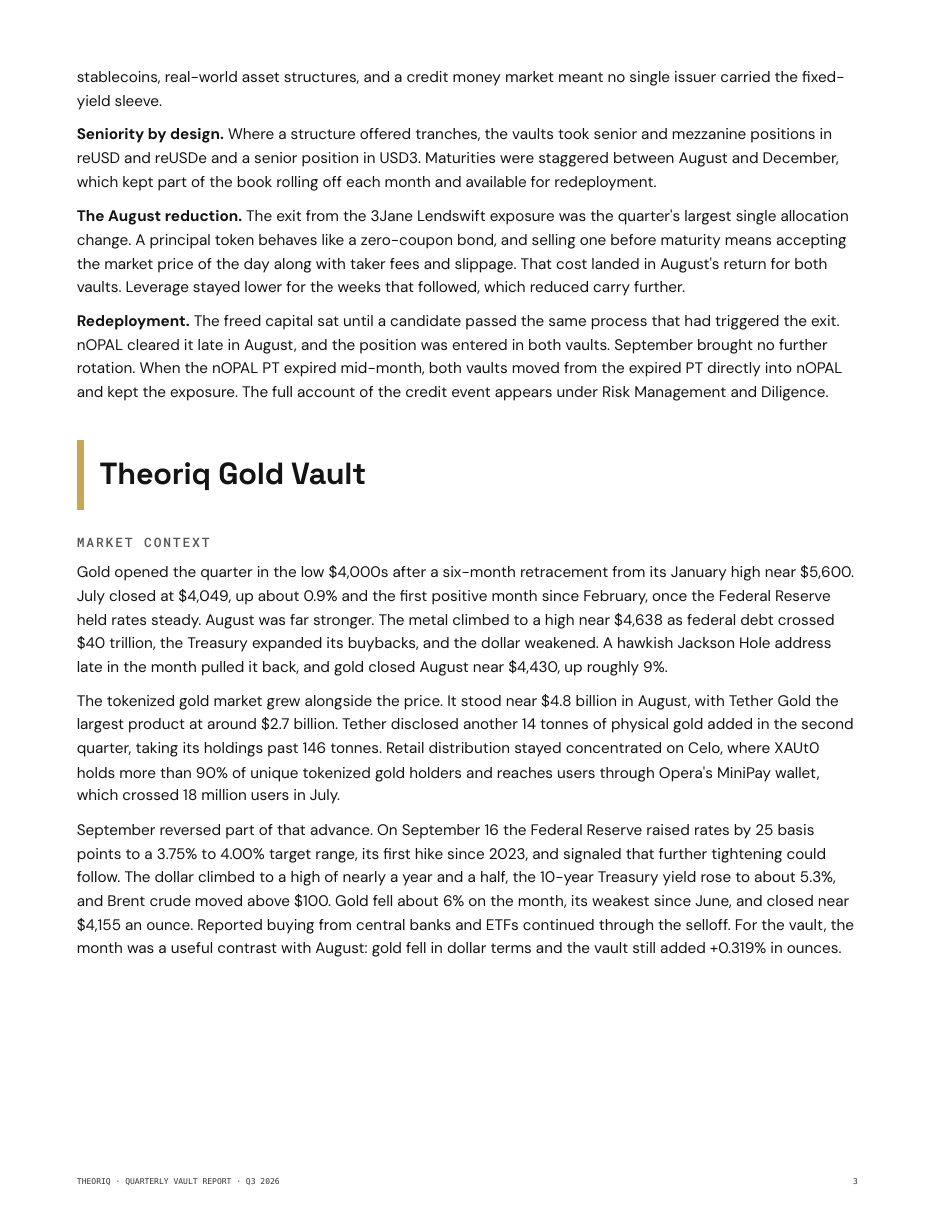
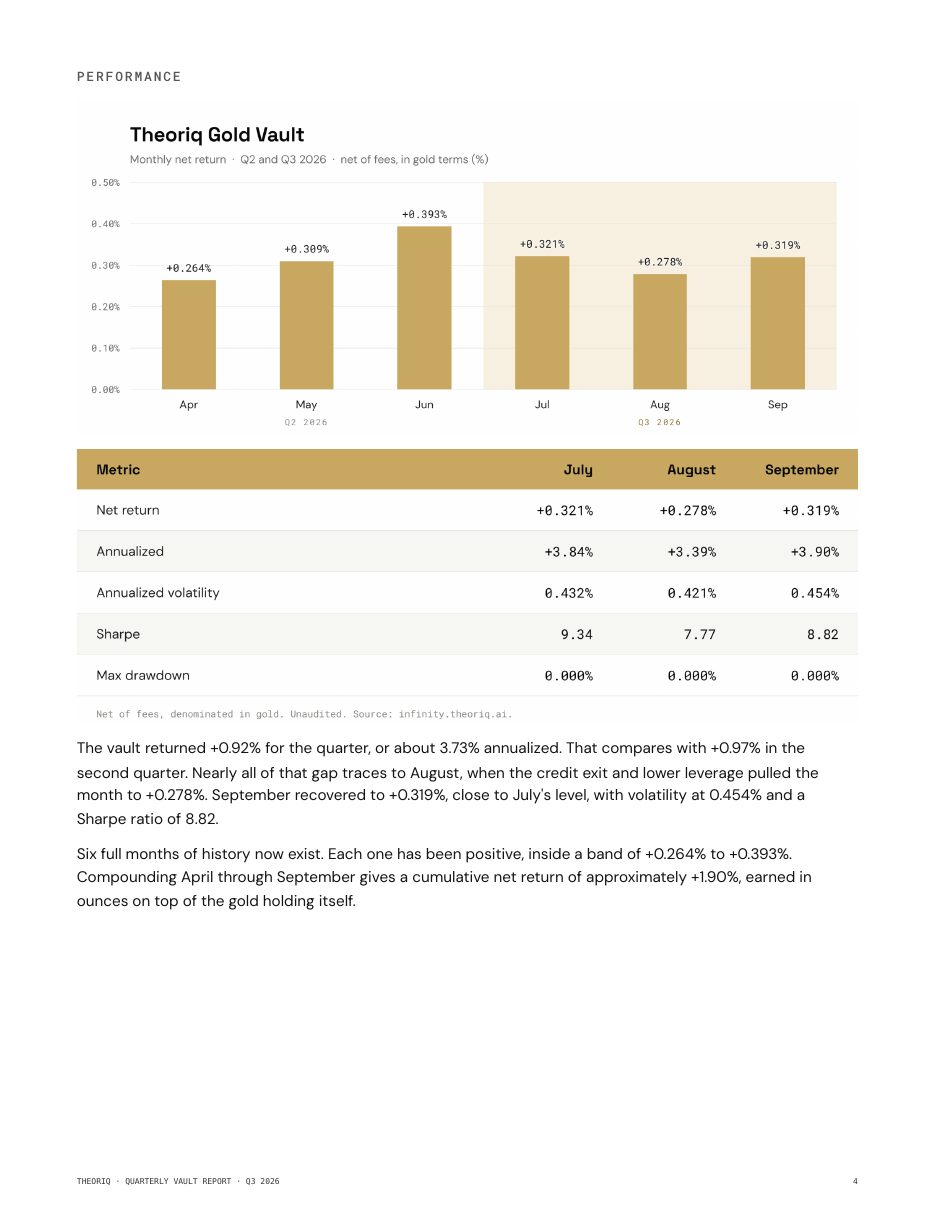
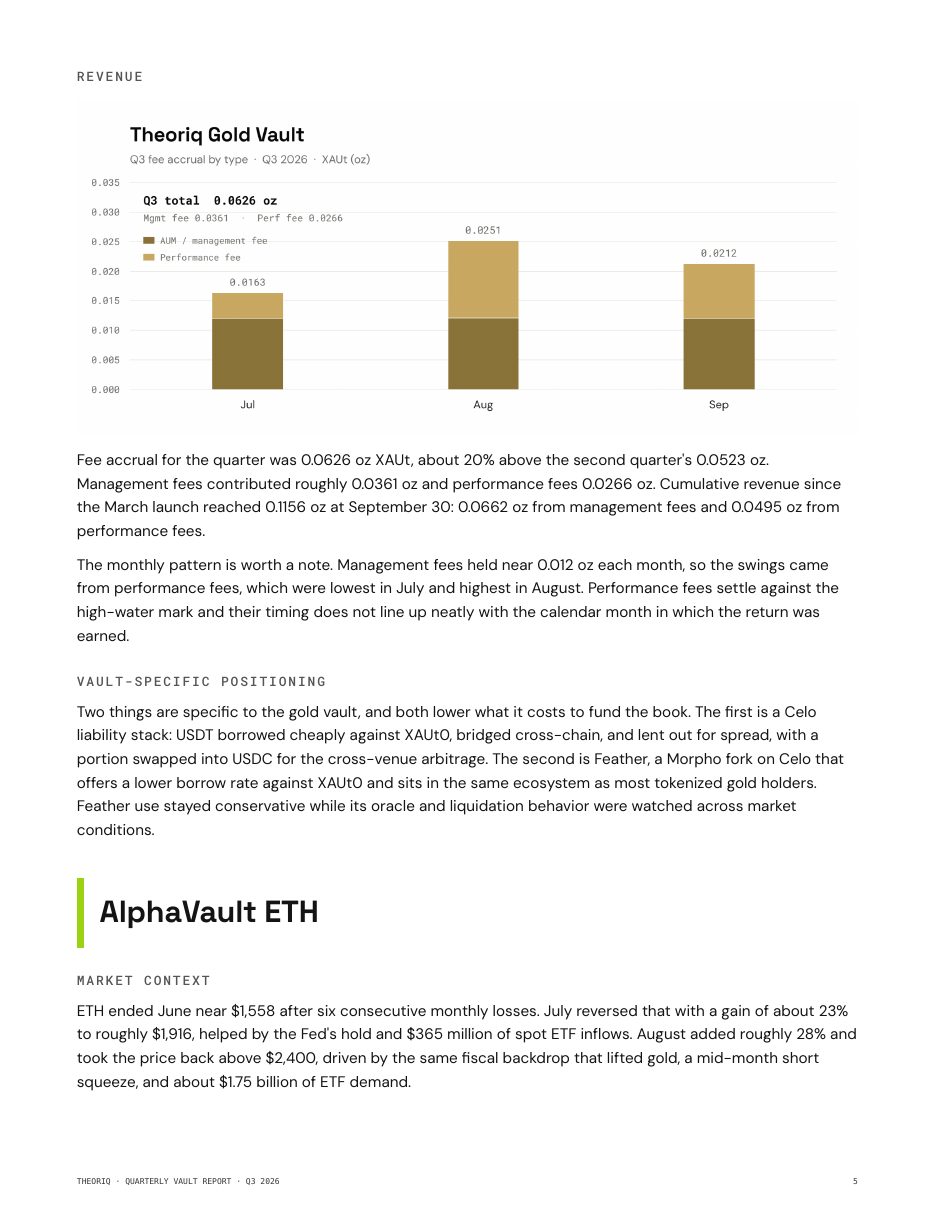
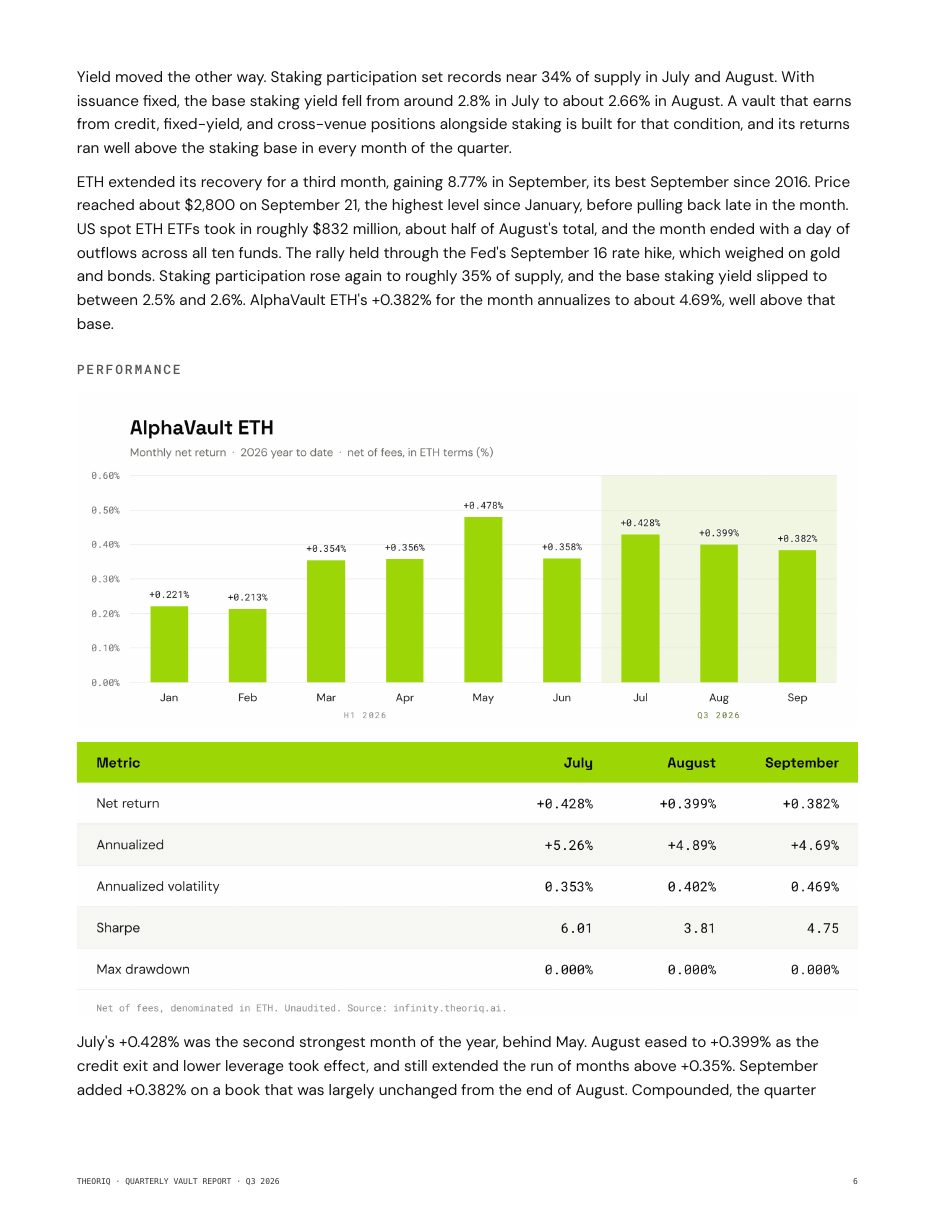
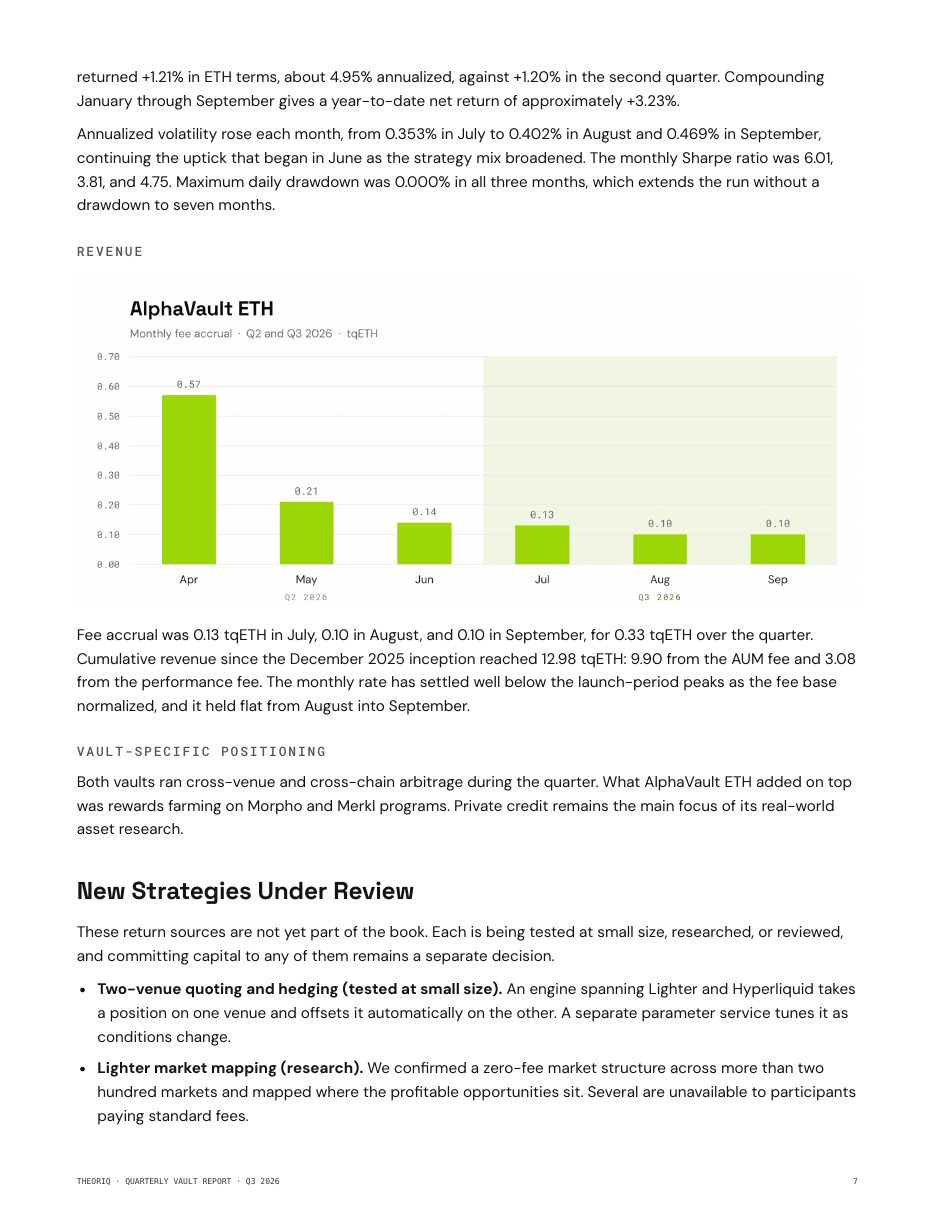
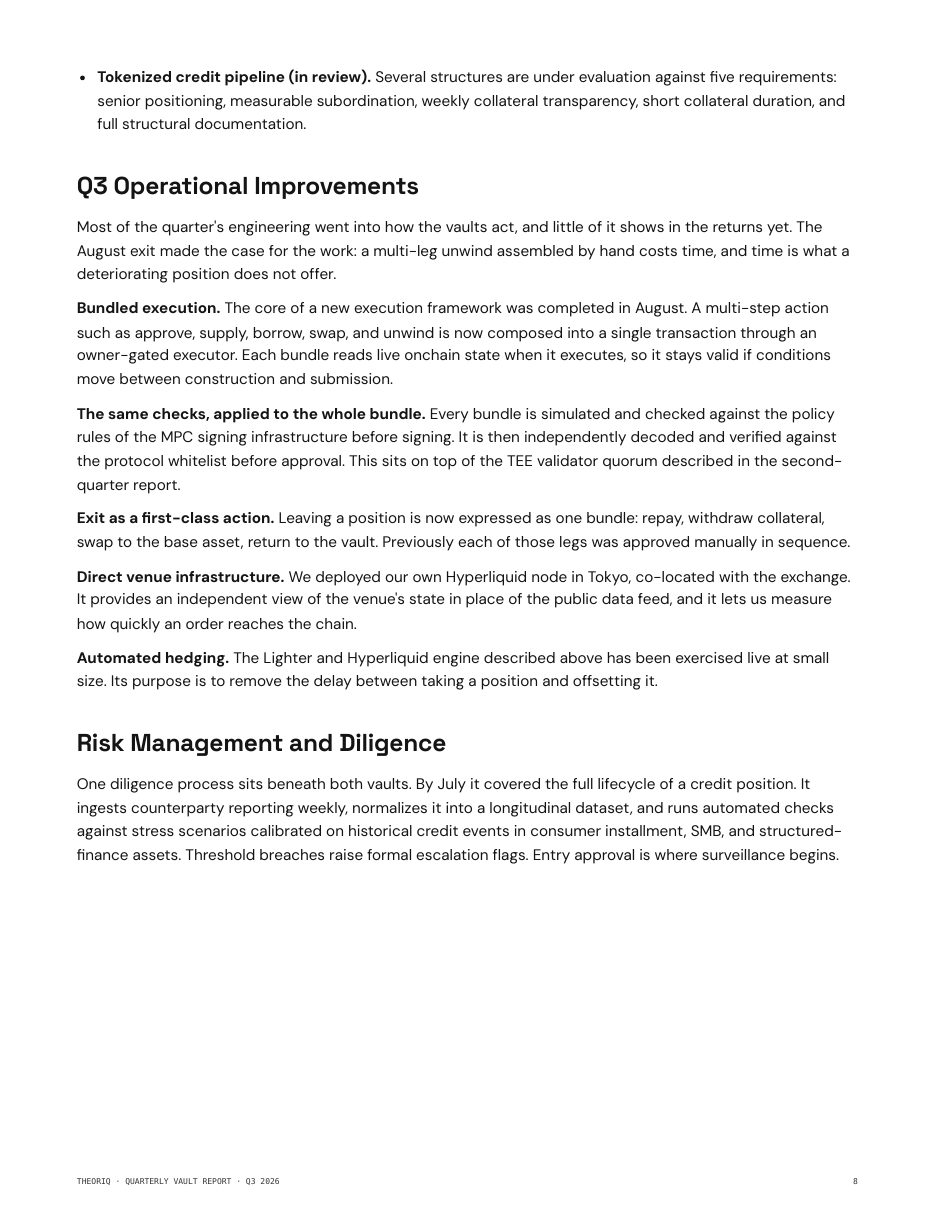
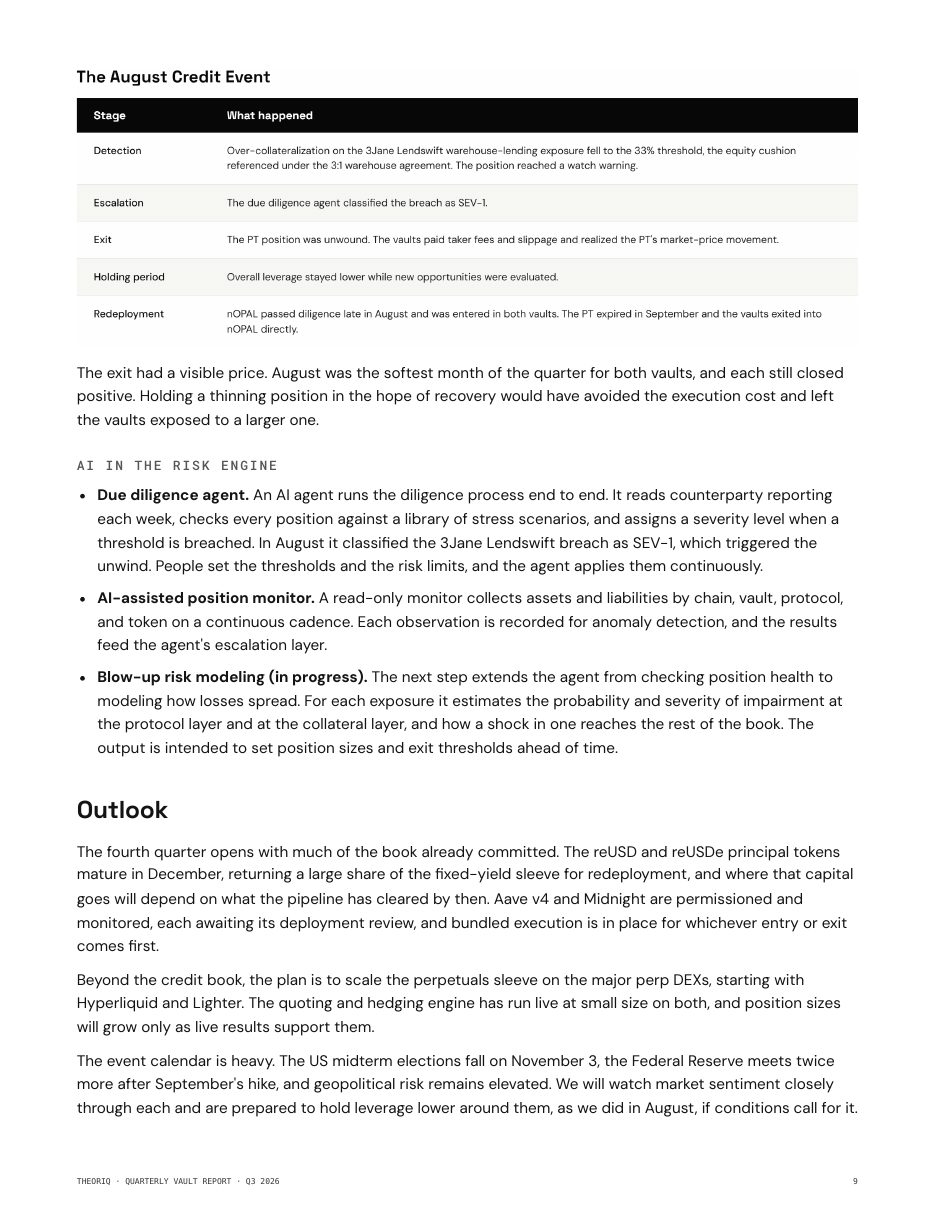
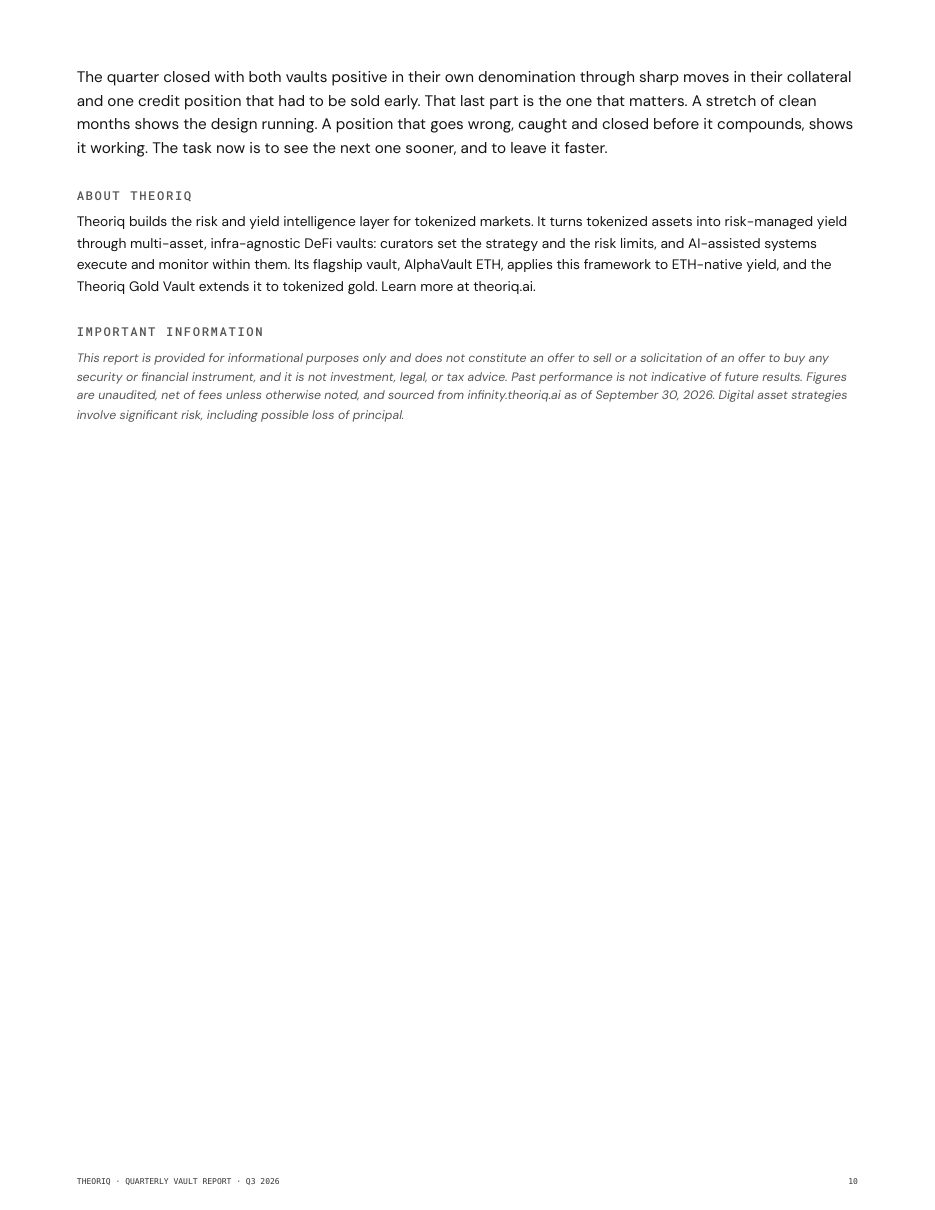
The Q3 report case study shows the system at its hardest: a bad month, told plainly.